



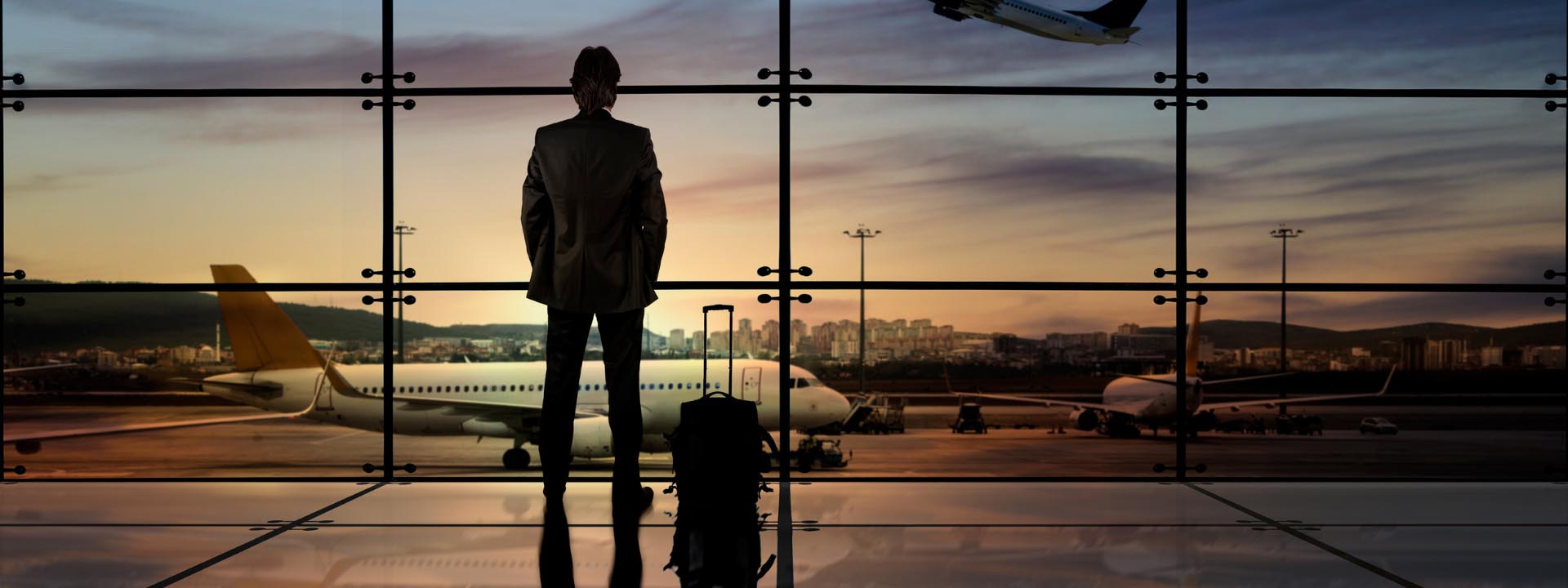
Business Travel Outlook 2026
In 2026, business travel is no longer defined by wild rebounds or pent-up demand. Instead, organisations are navigating a more measured environment where pricing and cost control take centre stage. After several years of volatility, corporate travel pricing is settling into a pattern of moderate increases and greater predictability, offering planners a clearer picture of what to budget for across air, accommodation, ground transport and meetings.
Budgets rising, but cautiously
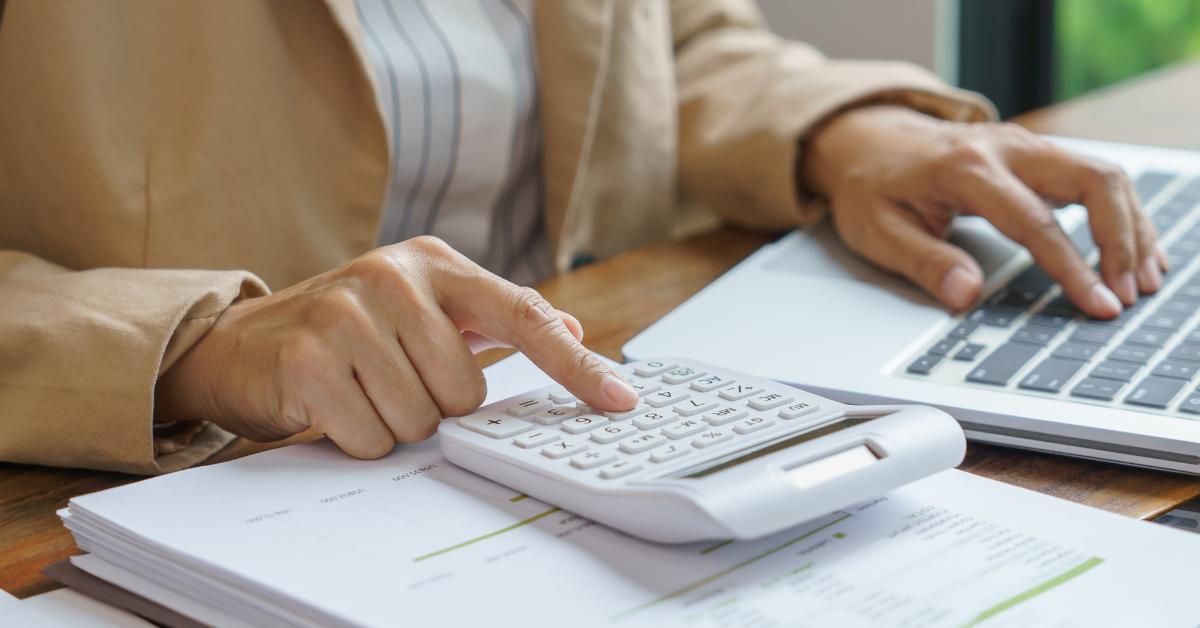
Industry research indicates many companies anticipate higher travel spend in 2026, though increases vary by region and sector. Around 45% of organisations plan to raise budgets, with roughly 9% expecting growth of more than 20% year-on-year, while only a small fraction foresees cuts. This signals a fundamental shift: travel is now treated as a core business activity, but spending is scrutinised closely, linked to clear outcomes and ROI rather than simply restoring pre-pandemic activity.
Airfares: mild upward pressure persists
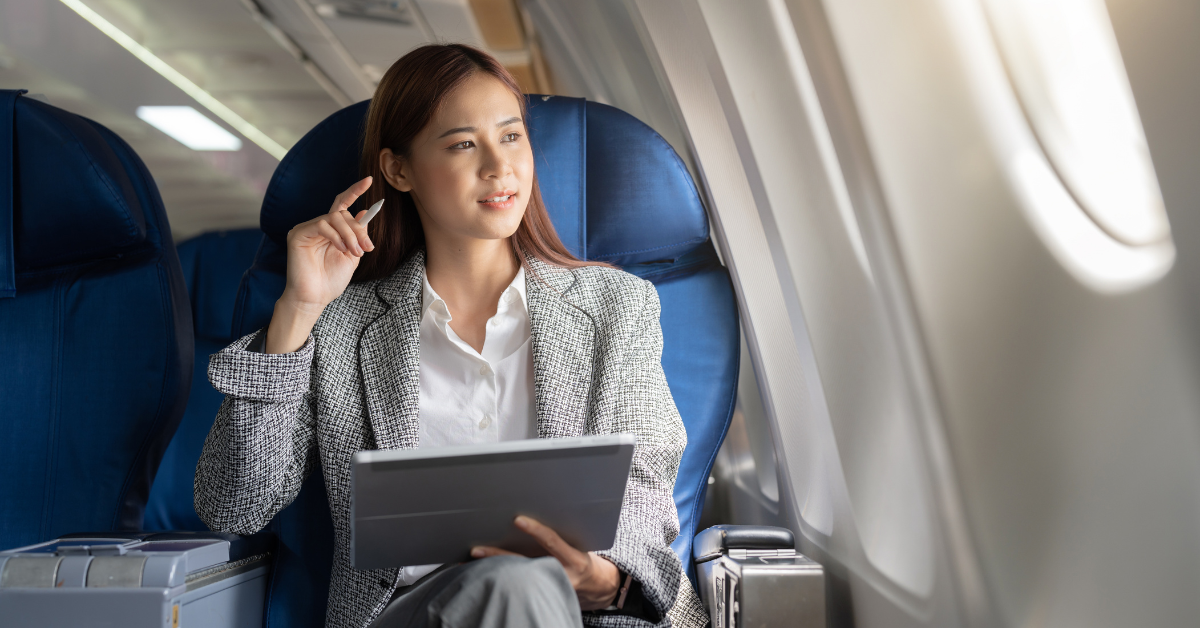
Airline pricing is expected to remain firm in 2026, even as capacity improves on key routes. Forecasts point to low single-digit airfare increases versus 2025, driven by capacity limits, fuel cost volatility, and continued demand for premium cabins. Corporate travel managers will need flexibility and advance planning; early bookings and negotiations with preferred carriers can help control costs. Airlines’ focus on ancillary services and premium offerings may also add complexity to pricing structures.
Hotel pricing: stability with regional differences
Hotel rates are projected to rise slowly, with growth decelerating. Major business hubs are seeing stable to slightly higher average daily rates, reflecting steady demand and operational costs. Planners should budget for low single-digit rate increases, noting local events, seasonality, and supply variations. Preferred hotel programmes and negotiated corporate rates remain key levers for cost management, as dynamic pricing continues to influence standard rates.

Ground transport, rail and meetings: steady but strategic
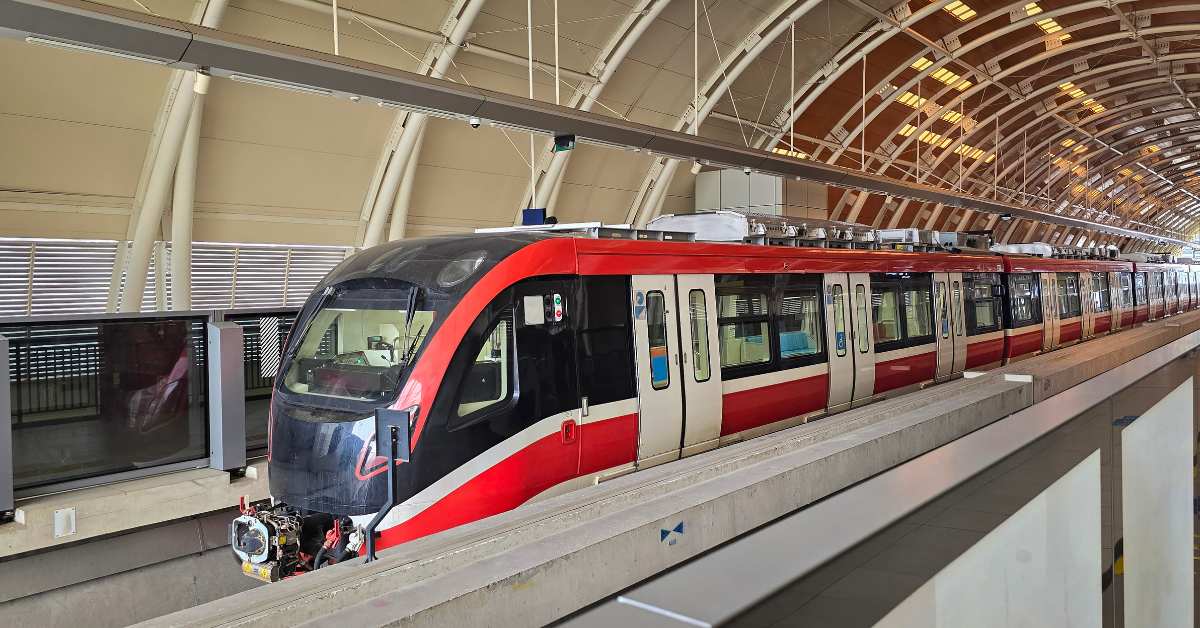
Ground transportation, including car rentals and transfers, is expected to see modest, predictable price increases in 2026 as insurance, fleet and labour costs continue to influence supplier pricing. At the same time, rail is gaining ground on short-haul routes, offering productivity benefits, city-centre access and lower environmental impact that increasingly offset the speed advantage of flying. Greater competition on key rail corridors is also improving pricing and service standards. Meetings and events are set to see controlled per-attendee cost growth, broadly aligned with inflation, allowing organisations to plan hybrid and in-person gatherings with greater budget certainty.
Purpose and value over volume
The biggest shift for 2026 isn’t a specific price point – it’s mindset. With tighter budgets and ongoing macroeconomic uncertainty, organisations prioritise purpose-driven travel. Trips supporting sales, training, client engagement, or strategic growth are favoured, while discretionary travel is carefully scrutinised. Pricing is now a tool for strategic choice: travel managers use data and supplier partnerships to benchmark costs, optimise contracts, and introduce programme flexibility, absorbing incremental price increases without compromising traveller experience or business objectives.

A more human, experience-led travel programme
In 2026, traveller experience and wellbeing sit at the centre of effective travel programmes. Organisations are redesigning journeys around ease, reliability and support, recognising the everyday pressures of frequent travel. Intuitive booking tools, mobile assistance, predictable itineraries and faster reimbursements help reduce friction and fatigue. Duty of care now extends beyond safety to include wellbeing and round-the-clock support on the road. Travel is no longer treated as a simple transaction, but as a reflection of company culture and a driver of engagement, productivity and retention, creating a fairer and more sustainable experience for travelling employees.

Corporate travel pricing in 2026 will rise gradually but predictably. Companies are increasing budgets while focusing on value, cost optimisation, and purposeful travel, supported by data and long-term supplier relationships. For travel planners, clearer pricing and cost visibility offer an opportunity to shift from reactive budgeting to strategic, outcome-driven travel management.
Related Articles


96%