



Business Travel Trends in 2026: What’s changing and what to watch
Business travel is evolving rapidly, driven by technological innovation, sustainability priorities, and shifting expectations from companies and travellers alike. In 2026, corporate trips are set to become more efficient, personalised, and impactful than ever before. Staying ahead of emerging trends will be key for travel managers and professionals looking to optimise experiences while controlling costs.
Here are the top five trends shaping business travel in 2026.
1. A Renewed Emphasis on Sustainability and Carbon Accountability

Environmental concerns are no longer a side note – sustainability is becoming a core business travel priority. More companies are enforcing carbon‑tracking measures for travel and demanding eco‑certified services. Sustainable travel is also influencing booking practices. With emissions becoming part of corporate ESG obligations, businesses are increasingly likely to weigh environmental impact alongside cost and convenience, forcing corporate travel planners to balance efficiency with responsibility.
Selective Travel Management offers carbon‑reporting for flights, rail and hotels, giving companies clear visibility into travel emissions. We also support carbon offsetting and let you embed sustainability rules into your travel policy, helping you steer bookings toward more eco‑friendly options without compromising efficiency.
2. Expansion Beyond Traditional Hubs – Rise of Secondary & Emerging Locations
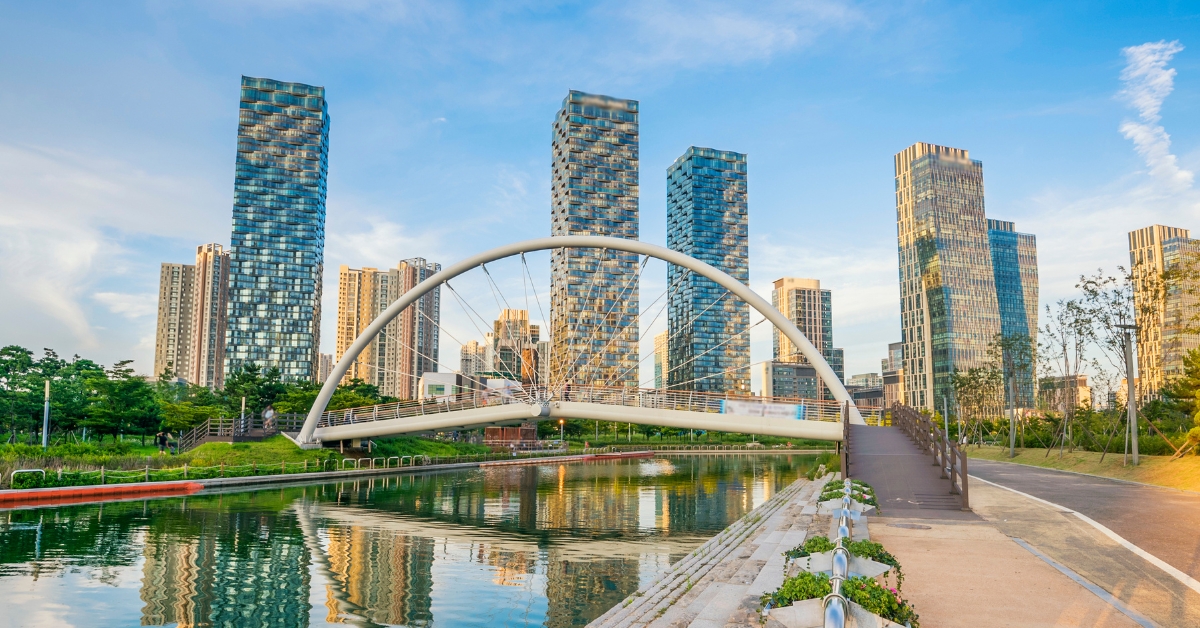
While established leaders like London, Vienna, Singapore, Dubai and New York continue to shine, business travel in 2026 is shifting beyond the usual spots, and locking in venues and logistics across cities like Lisbon or Seoul demands smart coordination.
That’s where Selective Travel Management steps in. With decades of corporate-travel expertise, we handle flights, rail, hotels, car hire and transfers, delivering negotiated rates and seamless itineraries from one single platform. Our dedicated Groups & Events team makes organising conferences or hybrid-meetings across multiple hubs effortless, so companies can explore new cities with confidence, while travellers stay on budget, on schedule and on point.
3. “Bleisure & Blended Travel” Gains Ground

The boundary between work and travel continues to blur. With remote or hybrid work arrangements now widespread, more business travellers are extending trips to include personal time – a pattern often known as “bleisure”. Employers are adapting policies to reflect that. Flexible travel windows, longer stay allowances, and greater choice over where employees work (and when) are becoming part of the standard corporate travel toolkit. Selective Travel Management’s services include tailored travel-policy design, online booking tools with embedded compliance rules, and multi-modal travel booking under one platform. We make it easy to implement flexible, “bleisure-friendly” policies, while keeping travel spend, approvals and compliance under control.
4. Biometric & Touchless Travel – Faster, Smoother, Less Friction

There is growing adoption of biometric verification (e.g. facial recognition, digital ID, mobile boarding passes) across airports and airlines – reducing the need for traditional passports, paper boarding passes, or manual ID checks. Roughly 50% of air travellers have used biometric systems at least once, and among those users, 85% report a positive experience.
This isn’t just about convenience – it speeds up entire passenger flows (check‑in, security, boarding), cuts waiting times significantly, and reduces stress and uncertainty associated with travel. For business travel programmes, that means fewer delays, smoother transitions, and a more predictable travel experience, especially helpful for frequent flyers, tight schedules, or multi-leg trips.
5. Smarter Cost Management: Dynamic Booking & Data‑Driven Travel Policies

As airlines, hotels, and transport providers continue to offer dynamic pricing, companies are becoming more strategic about corporate travel investment. This trend encourages smarter planning: bundling travel, exclusive rates, and choosing cost‑efficient or sustainable transport and accommodation options. For many, the goal is to balance business outcomes with cost control and corporate responsibility.
Our in‑house platform gives you access to thousands of travel providers, negotiated fares, and real‑time booking across flights, hotels, and rail – making bundled travel simpler and more cost‑efficient. Our data‑driven reporting and policy‑compliance tools also give you full visibility and control, ensuring every booking fits your corporate and ESG objectives.
What This Means for 2026 and Beyond
Business travel in 2026 is no longer just about reaching a destination – it’s about travelling smarter, cleaner, and more purposefully. For companies, this means rewriting travel policies to reflect sustainability goals, employee wellbeing, and flexibility. For individual travellers, it means better tools, more choice, and greater opportunity to combine work with life in meaningful ways.
Whether you’re managing a corporate travel programme, booking your next trip, or shaping company travel policy, 2026 demands a thoughtful, balanced approach. Those who embrace these trends will likely benefit from smoother operations, happier travellers, and a stronger long‑term strategy.
Related Articles



96%