



Economy, Premium, or Business?
When it comes to business travel, the cheapest fare isn’t always the most cost-effective. The right cabin can make a real difference to comfort, rest and productivity, particularly on longer or more demanding itineraries.
For travel bookers and travellers, choosing between Economy, Premium Economy and Business Class often comes down to one question: is the extra cost worth it?
The answer depends on the journey, the traveller and what they need to do when they arrive.
When does upgrading make sense?
Economy
The practical choice for shorter trips
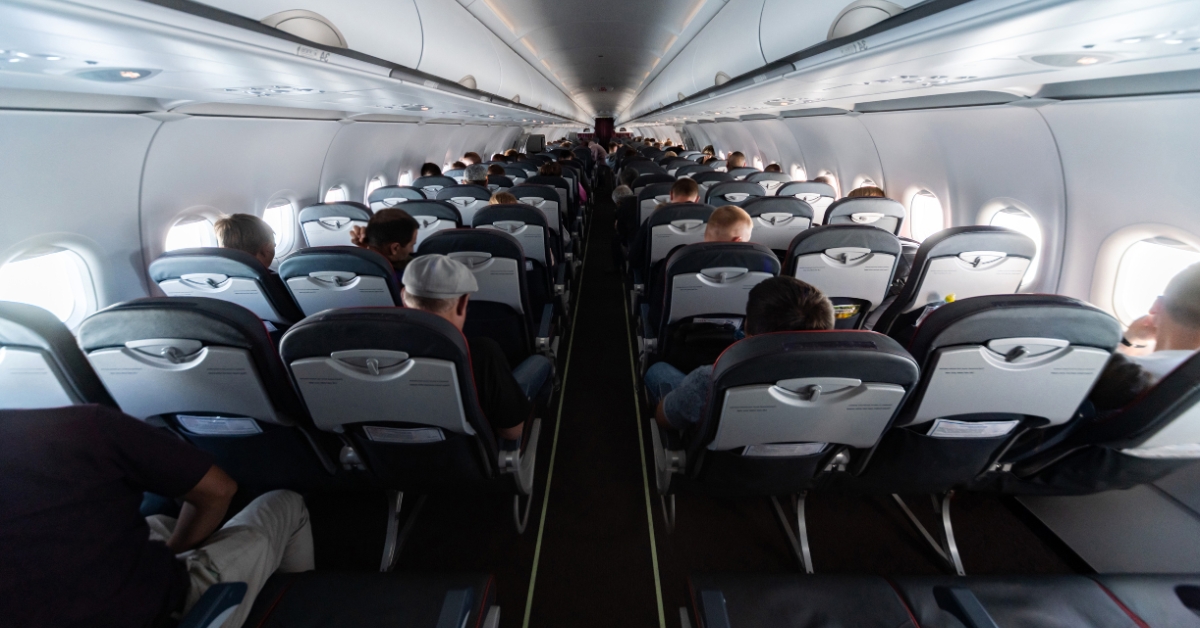
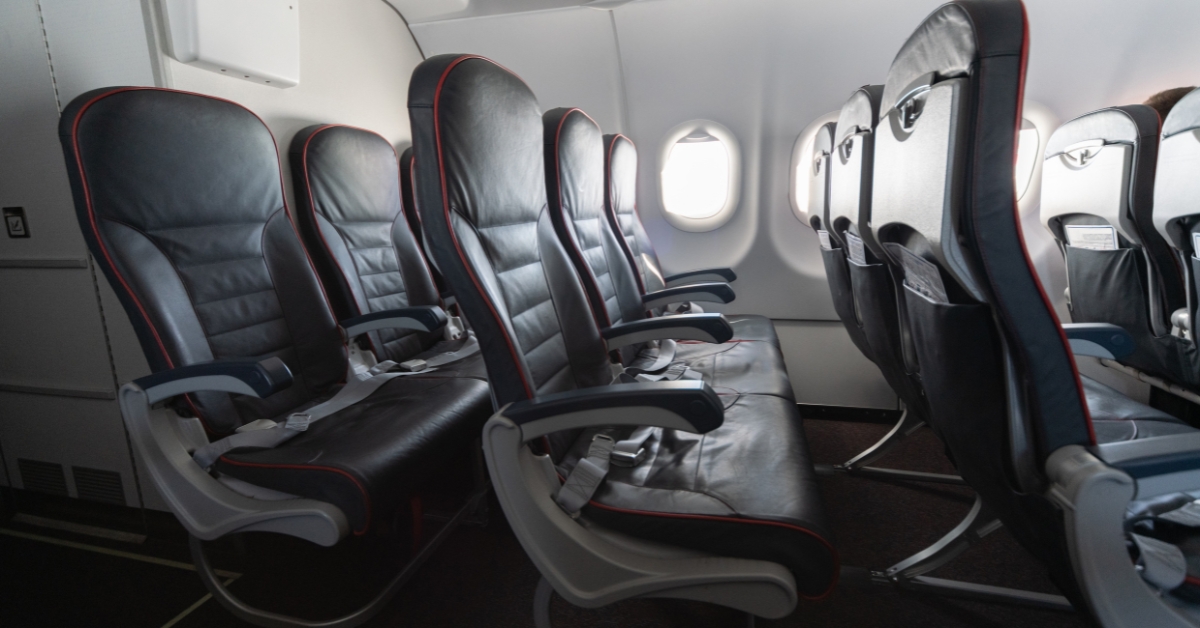
Economy remains the straightforward option for many business journeys. It keeps airfares down and, for shorter flights, the difference in comfort between cabins may not justify paying more.
For example, Economy can be a sensible choice when:
- The flight is relatively short
- The journey is during the day
- There are no immediate meetings after landing
- The traveller is travelling light
- The company’s travel policy prioritises cost efficiency
- There is flexibility to recover after arrival
Premium Economy
The middle ground
Premium Economy is designed to bridge the gap between Economy and Business Class.
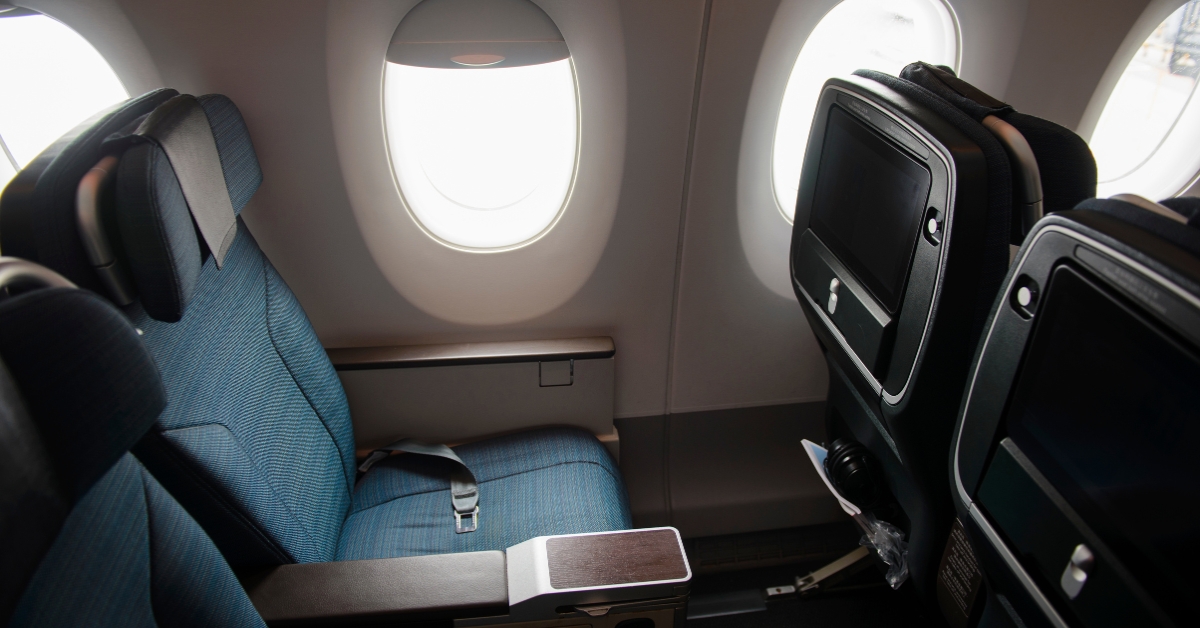
While the exact offering varies between airlines and aircraft, travellers can generally expect a wider seat, more legroom and a more spacious cabin than standard Economy. Depending on the airline and route, there may also be enhanced dining, baggage allowances, priority services or other additional benefits.
For many business travellers, Premium Economy can be an attractive compromise.
It can be particularly worth considering when:
- The flight is long-haul
- The journey is overnight
- There is a full working day ahead
- Business Class is significantly more expensive
Business Class
When the journey is part of the working day
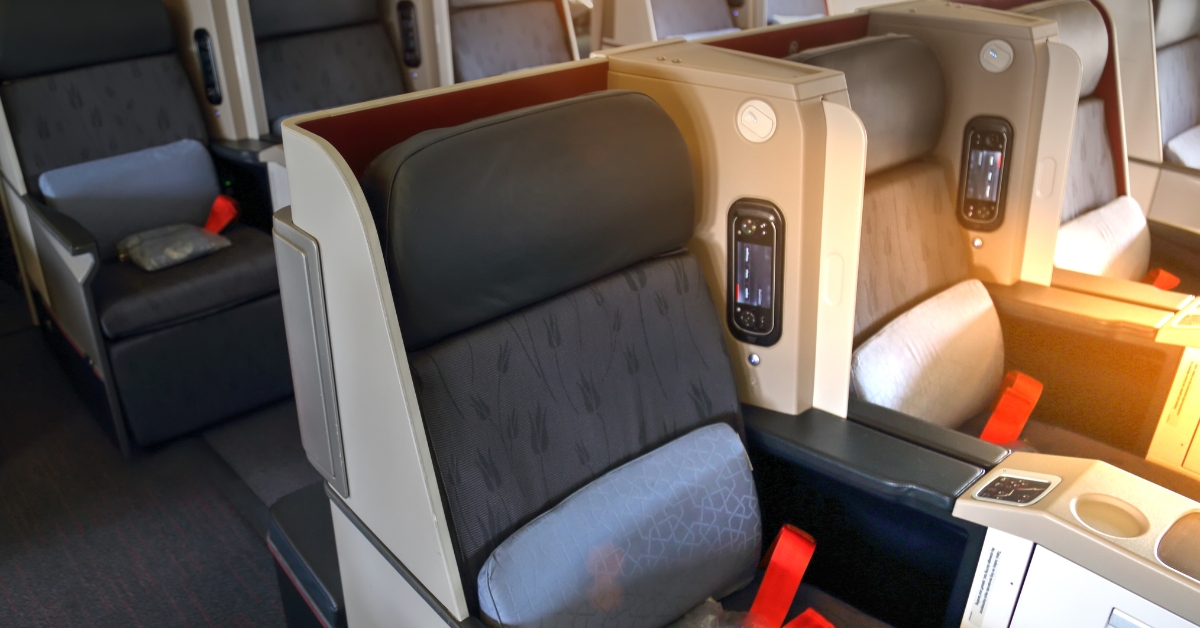
Business Class is about more than a larger seat.
Travellers may benefit from lie-flat beds, lounge access, priority services, enhanced dining and a more private environment. The exact experience varies significantly by airline, aircraft and route, so it is important to look beyond the cabin name when comparing fares.
The biggest potential benefit for business travellers is often time and rest.
Business Class can therefore make more sense when:
- The journey involves a long-haul or overnight flight
- The traveller has meetings immediately after arrival
- There are back-to-back meetings or a demanding schedule
- The traveller needs to work during the journey
- The ability to sleep properly is important
- The additional cost is justified by seniority or the purpose of the trip
Is the Upgrade Worth It?
There isn’t a universal point at which an upgrade becomes “worth it”. Instead, consider what the traveller is being asked to do before and after the flight.
The right cabin depends on the individual journey rather than simply the ticket price. Economy may be the most appropriate choice when keeping costs down is the priority, Premium Economy can provide a useful balance between comfort and cost, while Business Class may offer greater value when rest, productivity and convenience are particularly important.
What about the cost difference?
There is no fixed percentage or price difference between Economy, Premium Economy and Business Class. Fares can vary dramatically depending on the airline, route, booking class, travel dates, availability and how far in advance the ticket is purchased.
For companies looking to balance traveller experience with responsible travel spend, Premium Economy can be a useful part of a wider travel policy rather than simply a compromise between two cabins.
The role of travel policy
A travel policy doesn’t need to outline “Economy for everyone” or “Business Class for everyone”. A more flexible travel policy can establish clear criteria for when an upgrade is appropriate.
For example, a policy might consider factors such as:
- Flight duration
- Overnight travel
- Long-haul travel
- Arrival time
- Meeting schedules
- Traveller wellbeing
- Seniority or role, where appropriate
- The cost difference between available fares
- Whether the journey involves multiple flights or destinations
This gives travellers and bookers a framework for making consistent decisions while still allowing some flexibility when circumstances warrant it.
Need help making the right choice?
At Selective Travel Management, we understand that corporate travel isn’t one-size-fits-all. Our team can help businesses assess the available options, compare fares and build travel policies that balance traveller experience with cost and business requirements.
Related Articles



96%